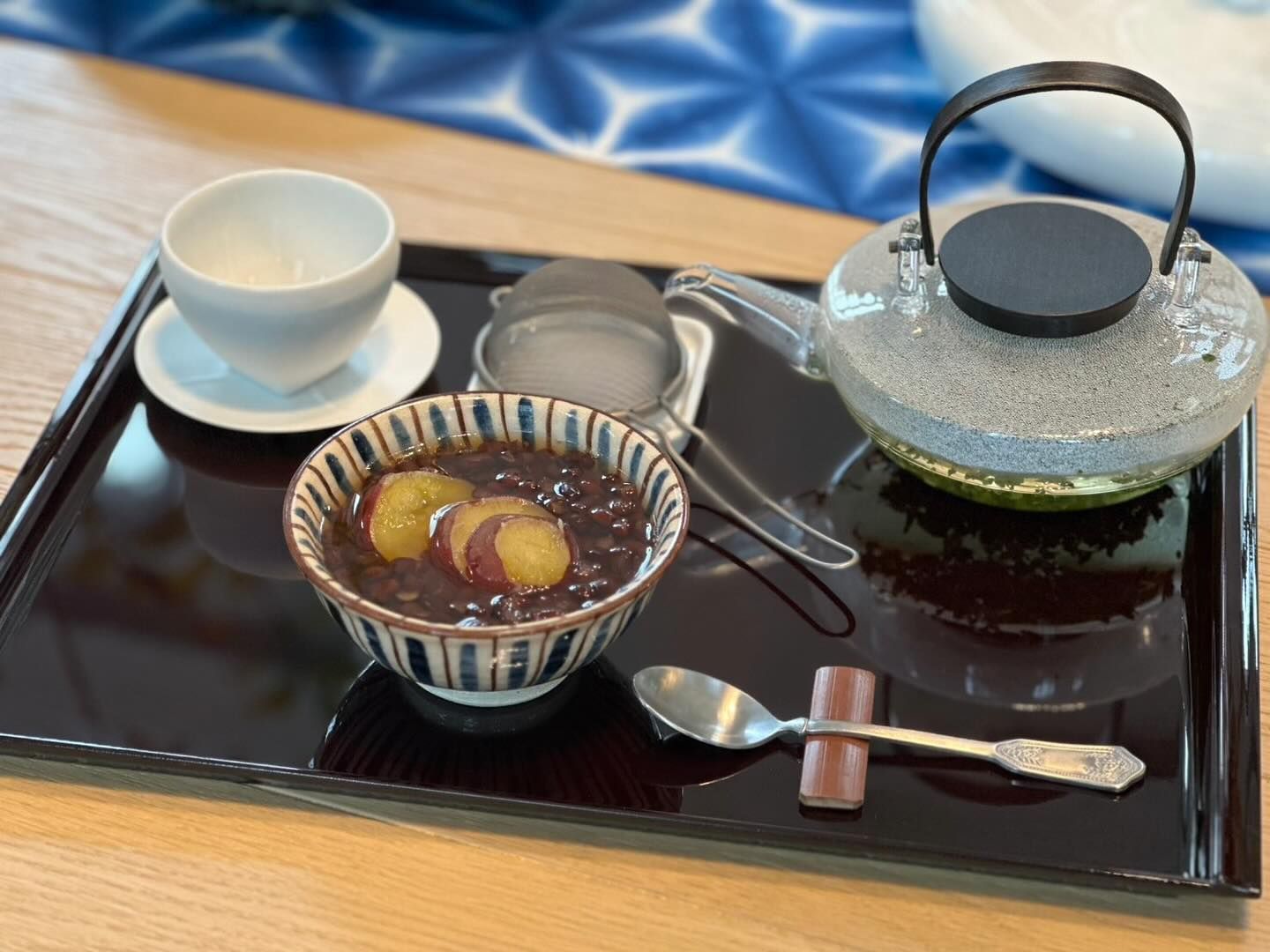
Wajima lacquerware
Wajima-nuri is lacquerware made in Wajima, at the tip of the Noto Peninsula in Ishikawa Prefecture. Described as “sturdy yet elegant”, it was the first Japanese lacquerware designated an Important Intangible Cultural Property. The town was badly hit by the Noto Peninsula earthquake on New Year’s Day 2024 and is now rebuilding.
Why lacquerware grew in Wajima
Wajima has a humid climate on the Sea of Japan and forests full of the trees used for wooden bases, and lacquerware has been made here for centuries. Lacquer cures in moist air, so a humid place suits the work.
Just as important is ji-no-ko, a kind of diatomaceous earth found in quantity on the Noto Peninsula. Steamed, crushed and mixed into the lacquer for the undercoat, it makes pieces stronger and more heat-resistant. A material found only here underpins Wajima-nuri’s durability.
Sturdy ware for all of Japan
Besides the ji-no-ko undercoat, Wajima craftsmen reinforce weak points of the wood with cloth, a technique called nunokise. Its durability earned Wajima-nuri a reputation across Japan, and production grew.
Over time a division of labour developed in which 124 steps — planning, woodturning, lacquering and decoration — are each handled by specialist craftsmen. Bringing their skills together raised quality, and Wajima became Japan’s largest lacquerware producer by value.
What makes Wajima-nuri distinctive
Wajima-nuri is summed up as “kenro yubi”: sturdy and elegant. A strong base of ji-no-ko and cloth, coated and polished again and again, makes pieces that last for generations. On top come decorations such as chinkin, gold inlaid into carved lines, and maki-e.
In April 2024, when the Japanese prime minister visited the United States, the gift chosen for the President and First Lady was a Wajima-nuri coffee cup and ballpoint pen. It is still chosen as a craft fit for state guests.
The 2024 earthquake and what comes next
On 1 January 2024 a magnitude-7-intensity earthquake struck Wajima. Many workshops and craftsmen’s homes collapsed, and workshops clustered near the morning-market street burned. Of the 103 members of the Wajima lacquerware cooperative, 13 lost their premises to fire. Around 80% of the roughly 1,000 people working in Wajima-nuri were affected in some way, and the town was also hit by heavy rain that September.
Even so, rebuilding goes on: craftsmen working again in temporary workshops, a lacquer artist who quickly rebuilt a collapsed woodturner’s studio, and a lacquerware house that opened a restaurant in Kanazawa serving food on Wajima-nuri. Buying Wajima-nuri directly supports the town’s recovery.
How to choose and care
Lacquerware grows more beautiful with use, so a soup bowl for every day is a good place to start. Wash with a soft sponge and mild detergent, do not leave it soaking, and dry it straight away. It is not safe for dishwashers or microwaves.
Sources
MAKERS
Makers
FAQ
FAQ
Can I use lacquerware every day?
Yes. Daily use and washing actually bring out its lustre.
Can it be repaired?
Many workshops offer re-lacquering and repairs.